
Regenerative agriculture, although a relatively new term, is not a ‘new’ way of doing things on the farm for a lot of people, there are those who have been adoption a regenerative and holistic approach to farming for years. But sadly, way too few. But thankfully that is all changing and there are huge number of benefits of a regenerative farming approach for farmers in their continued efforts to increase the quality and abundancy of their crops.
Soil is without doubt the foundation of civilisation, and if we look closely at all the civilisations that have disappeared over time, we see a trend that the majority of them degraded their soils to the extent they were no longer able to support the population.
The agricultural industry is arguably one of the biggest CO2 emitters, CO2 being the greenhouse gas (GHG) which is the most responsible for climate change the world is currently experiencing, and along with other agricultural industries such as forestry and other land uses, agriculture is responsible for probably just under 25% of all GHG created by humans.
Having said that, agriculture has an important role in helping decrease climate change, and in some respects reverse it by drawing carbon pollution down from the atmosphere and locking it safely away in our soils, thereby creating a safe and sustainable future where we can provide an ever-expanding population with fresh, wholesome food grown in a sustainable soil ecosystem.
So, here’s how it works
In simplistic terms regenerative agriculture is a farming methodology which adopts various practices that aim to rebuild and enhance the entire farming ecosystem by putting a heavy emphasis on soil health while paying special attention to the management of water, reducing fertilizer use and concentrate on a method of farming that is improving on the resources it is using instead of destroying or depleting them.
Allan Savory and a great many others including Gabe Brown, Charles Massey and Dr Elaine Ingham put a great deal of emphasis on a holistic approach to the agricultural eco system, which include:
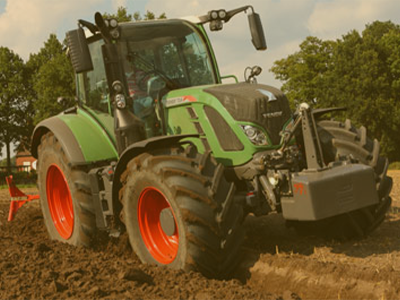
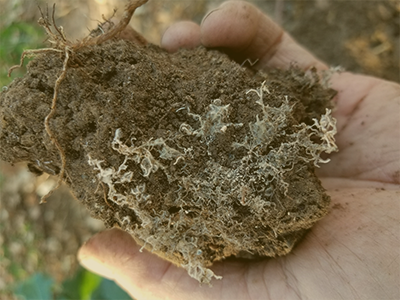
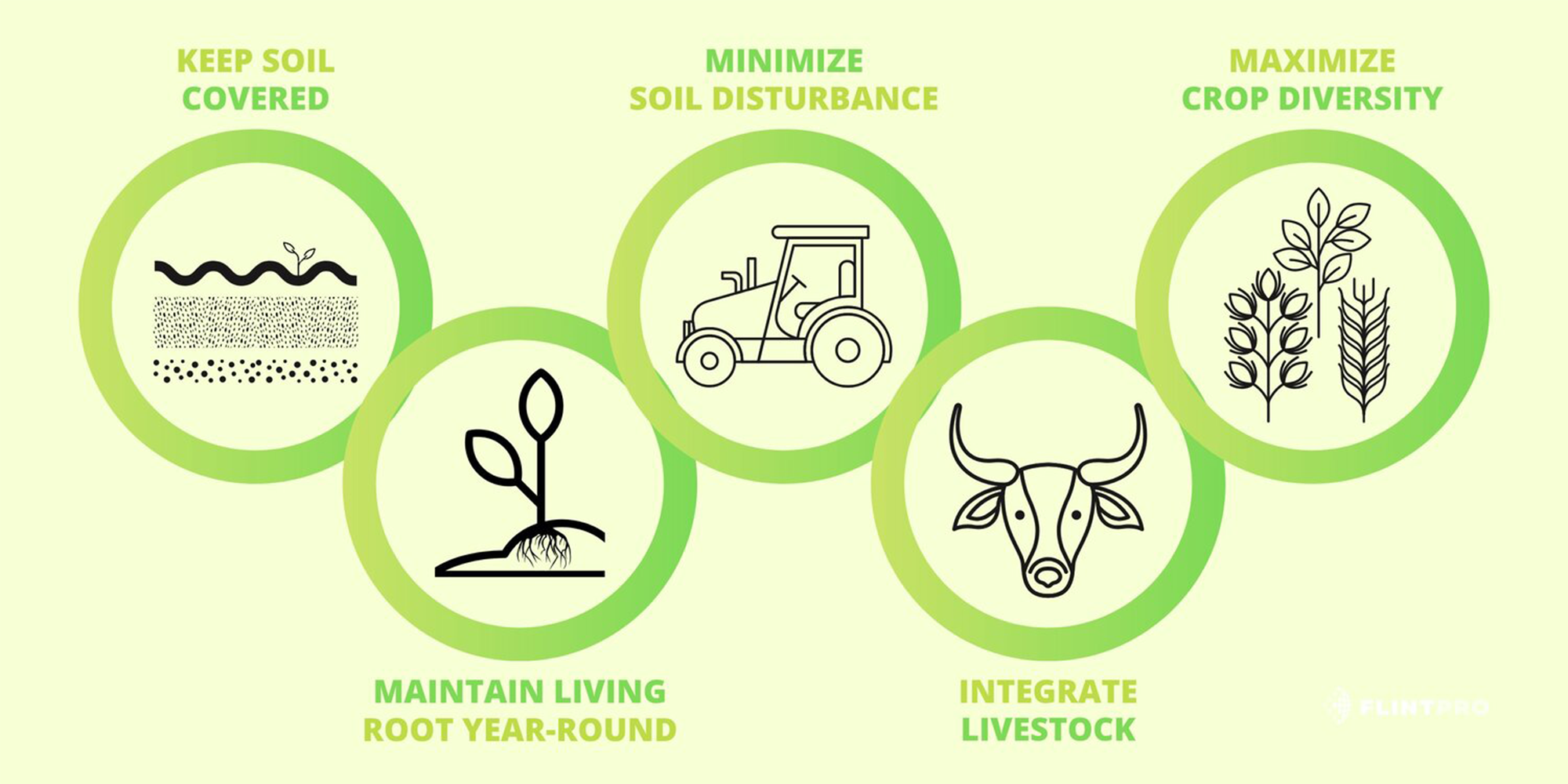
- No/minimal tillage: the use of ploughs and other heavy tillage machines have an enormous impact on soil erosion and in turn release large amounts of carbon dioxide into our atmosphere. They can also create compacted and bare soil, making it all but impossible for important microbes to thrive and multiply, and thereby create healthy and productive soils. By turning low or no-till methods farmers are minimising the physical disturbance of the soil, which has the effect, over time, of increasing organic matter in the soil, and therefore creating a healthier, way more resilient environment for plants to grow and having the effect of keep more carbon in the soil where it belongs.
- Planting Diversity: Not all plants release the same carbohydrates, plant sugars, through their root systems and aa host of microbes use these carbohydrates as food and in return release a host of beneficial nutrients back into the soil and by doing so, the plant. By increasing plant diversity in fields growers can support a rich, varied and highly nutrient dense soil leading to far more productive yields.
- Cover crops & rotational crops: If soil is left exposed and uncovered to the elements, soil will erode and the nutritional value of the soil will diminish by either drying out or worse still, simply washing away. However, it is important to emphasise, by planting the same plants in the same fields can result in an increase in certain nutrients and a lack of others, so by adopting a rotational cropping and cover cropping strategic plan growers can imbue soils with more and more soil organic material, and as has been proven avoiding disease and pest complications naturally. So, the big take home message is always keeping your soil covered as nature intended.
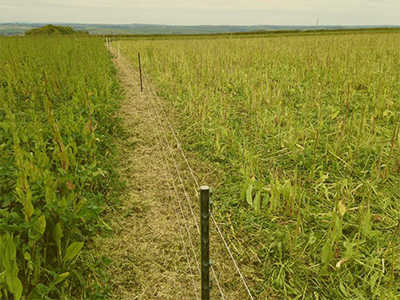
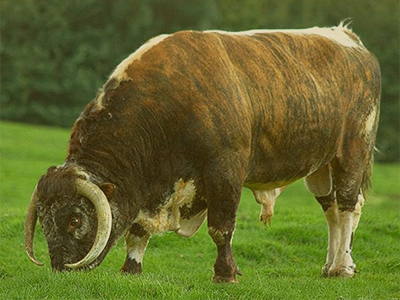
- Integration of livestock: although not always possible for all growers, many have seen huge results by integrating livestock, the more the better, in a highly managed Mob Grazing plan. Mob grazing is also known as cell grazing, strip grazing and intensive rotational grazing. Mob grazing is based around a concept of allowing a large number of animals to graze a small area allowing a diverse sward to grow to a significant height and moving the animals at regular intervals, usually once a day. Livestock eat the most nutritious top third of the forage plant and trample the hard and less nutritious stems onto the ground, thereby helping to make new soil. It has the added benefit, that it is unlikely for any one plant species to become dominant, and the sward remains diverse. The trampled forage is continually returned to the surface, helping to feed the soil along with dung and urine. A high stocking density is vital in this approach.
'If regenerative means: “renewal, restoration, and growth of cells, organisms, and ecosystems”, or “renewal or restoration of a body, bodily part, or biological system (as in a forest) after injury or as a normal process,” then regenerative agriculture is agriculture that is doing just that'.
Kiss The Ground